
About the IBO Home Living Show

IBO Home Living ShowAll Your Home Advice, Under One Roof

April 14, 2012 10:00 am to 6:00 pm Richmond Country Club

The IBO Home Living Show was created to promote the importance of homeownership.  I believe that the investment in your home is one of the most important investments you can make and I wanted to develop a platform to help people understand their investment more clearly and simply.  Connecting them to the relevant information on the market, the programs and ideas that are available to them now, and introducing them to some of the leading experts in a variety of disciplines.  I wanted to  use my mortgage expertise in combination with my past event expertise to get people excited about buying, renovating, selling and investing in real estate.

In researching networking opportunities I realized that there was a missing component in the home show market. Many shows, vast in size, heavily weigh their exhibitor’s booths with retail support services with few professional services sections. Other shows chose to focused on one particular demographic, such as investors, eliminating the important cross migration of information to various stages of homeowners. While there is great success in those trade shows, I wanted to introduce a fresh perspective to the home trade show circuit.  Hosting a smaller, more intimate setting, focused on education, market trends and advice from leading experts. The goal is to empower home Investors, Buyers, and Owners to be in control of their decisions and financial plans. We want to show the value in being a homeowner and what you need to know, or whom you may need to know, to make better, more secure decisions.

A three tiered approach to learning that can benefit all levels of home owners, including the entry level home owner, those planning to renovate, people looking to sell and the well-seasoned investor. The first tier, keynote speakers, will give the overall real estate market review, what’s hot and what’s not in communities, home fashion, properties and cities. Second tier, the Quick Tip Seminars, will give ideas and information on specific areas of need, such as, mortgage details, special government plans, and investment pointers. Finally, expert advisors in a variety of areas will be available to answer any burning questions. It’s a full service show, with the focus on attendees and their needs. We are encouraging interaction between exhibitors and attendees to connect, discuss, and learn from one another. Attendees to explain their current limitations, while the exhibitors can help find the industry solutions that are available.

It’s is recommended for attendees to review the schedule before arriving in order to select a time that will give the best educational benefit.

The IBO Home Living Show is about learning, connecting and finding the right support. We want to help everyone to be a homeowner, and a better and smarter one at that. Finding the right home or renovation solution, selling faster and for more money and getting incredible value from building the best real estate partnerships is what we want to achieve for our attendees.

Learn more by visiting www.ibohomelivingshow.com or contact Irene directly at info@ibohomelivingshow.com or 778.847.8466. We look forward to seeing you on April 14, 2012.
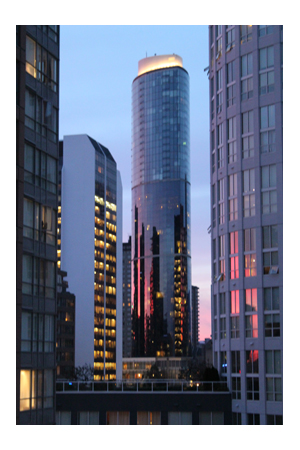
Part II – Is Buying in Metro Vancouver Worthwhile?

Is Buying in Metro Vancouver Worthwhile?Part II – Considerations in Buying Real Estate

In Part I of Is Buying in Metro Vancouver Worthwhile, we discuss the importance of a long-term timeline for investing in real estate. This is not to say you should never sell soon after you buy, that is always a possibility and you can make a return on your investment. The long-term timeline, however, represents an increased probability that a longer retention period and your ability to control when you want to sell will more than likely guaranteed a decent return on your investment.

In addition to a long-term plan, I have made a list of considerations that I think are important when you are looking to buy or build a real estate investment portfolio:

1. Find an area you like, somewhere that provides a seemingly higher return for the price paid (i.e. may be an older building (still solid and well kept building), but the transit access, shopping, and schools are big features). You can always renovate the interior, it’s much more difficult and slow to have the surrounding area see community service improvements.

2. Do your research on the area of interest. Mainly look at the growth patterns of the city and surrounding areas. Is the area of interest due for a revitalization, does it have easy access to transportation, what services and retail options are near by. Are there grocery shops close and what kind of community recreation facilities and parks are available? Are other projects planned that may improve or hinder the livability of the area? Look into rental prices to get an idea of the projected monthly income, should renting be an option in the future.

3. Find a property that meets your initial budget. Buy a place based on your income now, not what you think you will be making in a couple years. This will allow you to put more towards your mortgage if you have extra funds later on. This will also protect you if the market takes a big dip over a year or so, which may impact your financial position or work stability. If need be, consider cutting back on frivolous activities if it means being able to own. Review your needs versus wants regularly to ensure that you are making smart decisions, but are happy and enjoying your home and lifestyle.

4. Plan to own the property for at least 5 years, but consider upwards of 10+ years. Just know that you don’t have to live there for 10 years. Life is ever changing and may require constant movement and if you have to move, try to keep the property you already have for investment purposes. This ties in with points 1, 2 and 3. Point 1 and 2, the better the location the easier the property will be to rent, especially in a down market. In relation to point 3, which encourages you to grow steadily with your financial income. Knowing that this property may not be your end home, but may help you to get started in the real estate market, you may be more willing to forgo the bells and whistles now, to get in the market and realize more down the road. By holding the property for an extended period of time, you are more likely to see the increase in value as represented by the best-fit line shown in the real estate and stock market charts I discussed in Part I. The point is to hold the property to see the growth, but also hold it comfortably so you are not in a situation at any point where you have to sell in a down market. Additionally, if you can put lump sum payments against the mortgage each year and the value of your property increases, this will give you greater buying power to purchase additional properties by refinancing or taking out a home line credit. Lastly, the transaction costs of constantly buying and selling can greatly depreciate any profits realized.

5. Make value-added improvements. Space is the at an all time prime in the Greater Vancouver area. Any way you can increase the space in your home will be beneficial to you and any future user. I have always invested money into creating user-friendly closets, cupboards, offices, and storage, and this has paid off in renting and selling properties. Check out your local home improvement store or Ikea for your options and ideas. Prepare to pay a bit of money initially, but the return can be ten fold. I believe this is a hot topic for Vancouverites and plan to write more detailed articles with pictures, recommendations and suggestions in the future specific to space improvements.

6. Have access to cash. In owning your home or investment property, there are many instances where maintenance and repair requires immediate funds for servicing. Homes may need new equipment or appliances and condominium strata councils can require owners to pay lump sum special levies to make general improvements. Making a plan early that allows you to have quick access to cash, ease the stress levels of managing a rental property.

Economist and real estate guru’s try to predict as many elements as they can to foresee the future trends, but it’s impossible to really see what could be coming down the pipeline; the next black Friday, world war, economic turmoil, terrorist attack, or natural disaster. These events usually put real estate on the riskier side of investments. However, for the most part Vancouver has done very well through the recent recessions seen in the States and around the world. The desirability of the city to immigrants is an important element to keeping the housing industry strong. The versatility of the city in its natural surroundings and the mild climate are also features that attract people to come and stay.

So in a round about way to answer the question, do I believe that buying real estate in Metro Vancouver is worth it? I do. However, there are some key considerations that need to be made to ensure that value is made and hopefully not lost. Planning and research can help to eliminate a number of the risks, but understand that not all risk is ever removed. Every buyers’ situation is different and how they adapt to the daily market fluctuations, but by being aware of your current factors and addressing a long term plan, you can potentially be very successful in seeing a high return on your home purchases.

Part I – Is Buying in Metro Vancouver Worthwhile?

Is Buying in Metro Vancouver Worthwhile?

Part I – Investment Timeline

The constant increasing housing costs in the lower mainland has many questioning if it is even worth buying real estate. According to the MLSLink HPI, the average Great Vancouver home in the month of October 2011 was $623,000. The high-end average consists of homes in the Vancouver West area, averaging over $2 million for a detached house. Maple Ridge and Pitt Meadows apartments are at the lowest end with an average of $229,600 (1). While, $229,600 sounds reasonable compared to the 2 million for a home in Point Grey, the $229,600 apartment is still a 42km drive from the Vancouver core, and has a population just under 74,000 (2). This community, surrounded by extensive agricultural farmland, is smaller compared to the other cities around, yet Maple Ridge still has an average detached home value of $444,862 (3). A price that is comparable to Canada’s largest metropolitan city, Toronto, who is second to Vancouver for the highest detached home prices in the nation at $466,600 (4).

Is it possible for the Greater Vancouver area prices to go higher? Is there a bubble that will burst? And how can we get our young Canadians, singles or families to be able to afford to buy in a market that makes it difficult to live where you work or participate in activities at the metropolitan level?

To answer these questions, it’s important to understand the big picture while accessing the needs of homebuyers. To do this we will look at Part I: The investment Timeline and Part II: Considerations in Buying Real Estate.

Investment Timeline The Real Estate Board of Greater Vancouver Average Price graph shows prices of Greater Vancouver from 1977 to 2011 (5) . You can see how the home prices have fluctuated from one year to the next. However, it also shows clearly the big picture of steady growth over the course of 32 years. You will see a similar chart represented in the Dow Jones stock market Industrial Average over the similar time frame from 1980 to 2000 (6). Not that the housing market and stock market are synonymous, they vary by the types of buyers, the regulations to invest, and the liquidity, to name a few, but both housing and the stock market are strongly linked to the economic factors that may impact our everyday living. Plotting a best-fit line on both charts, as seen in blue, a similar story would be represented, with the stock market being a bit steeper due to the additional risk/reward associated with that investment. I have also included the stock market chart from 1900 to 2010 (7) to provide an extension to the timeline, with a gradual start, but ultimately telling the same story.

Real Estate Graph 1977-2011 600x500


Dow Jones 1980-2000 600x500


Dow Jones 1900-2010 600x500

These best-fit lines show the growth of an overall long-term investment. As a society, I think we have been over stimulated with how we should be investing or saving our funds, with the main focus on our immediate situation. Generally, we seem to consider investments as either having money to invest into a quick high return stock portfolio or banking it for a slow and steady long-term savings option, such as RRSP. Quick profits can be achieved in the stock market and the real estate industry, but as you know, one usually has to be ready (with funds) and know exactly when to buy (at the low point) and when to sell (the high point), to get the best return. A skill that even the most qualified, educated and trained professionals cannot predict with certainty. Savings and retirement planning is also a solid option for the long term planning, however, the returns found in these balanced and more protected plans rarely attribute to a type of substantial or fair return, and you have to wait until you retire to realize any benefit.

Real estate, in a long-term plan, can provide a place for you to live in now and in the future, offer you ways for you to see greater returns on your property (increasing equity over time and ability to pay down your mortgage and save on interest costs), as well as create a retirement saving plan out of your home ownership. If you pay off your home in your 25-30 year mortgage or sooner, those mortgage payments you no longer need to make can go directly into saving for the future. To achieve success in the real estate market, time is important factor to understand. Property values will continue to rise and fall, but if you can position yourself comfortably and maintain your home through the ups and downs, you will likely see some decent to strong returns on your investment with relatively low risk.

Part II will review other factors to be considered when investing in real estate.

Footnotes: (1) “News and Statistics”. MLSLink HPI. http://www.rebgv.org/housing-price-index?region=all&type=all&date=2011-10-01. (7 November, 2011). (2) “Community”. Demographics. http://www.investmapleridge.ca/EN/main/community/32127/demographics.html. (7 November, 2011). (3) “News and Statistics”. MLSLink HPI. http://www.rebgv.org/housing-price-index?region=all&type=all&date=2011-10-01. (7 November, 2011). (4) RBC Royal Bank Housing Affordability Index, November 2010. “Home Buyer Resources”. Average Canadian Housing Prices. http://www.rbcroyalbank.com/mortgages/avg-canadian-housing-prices.html). (7 November, 2011). (5) The Real Estate Board of Greater Vancouver Average Price Graph January 1977 to November 2011. http://www.bcestates.com/Stats.jpg. (31 December, 2011). (6) “Historical”. Dow Jones Industrial Averages (1980-2000 Daily). http://stockcharts.com/freecharts/historical/djia19802000.html. (7 November, 2011). (7) “Historical”. Dow Jones Industrial Averages (1900-Present Monthly). http://stockcharts.com/freecharts/historical/djia1900.html. (7 November, 2011).